


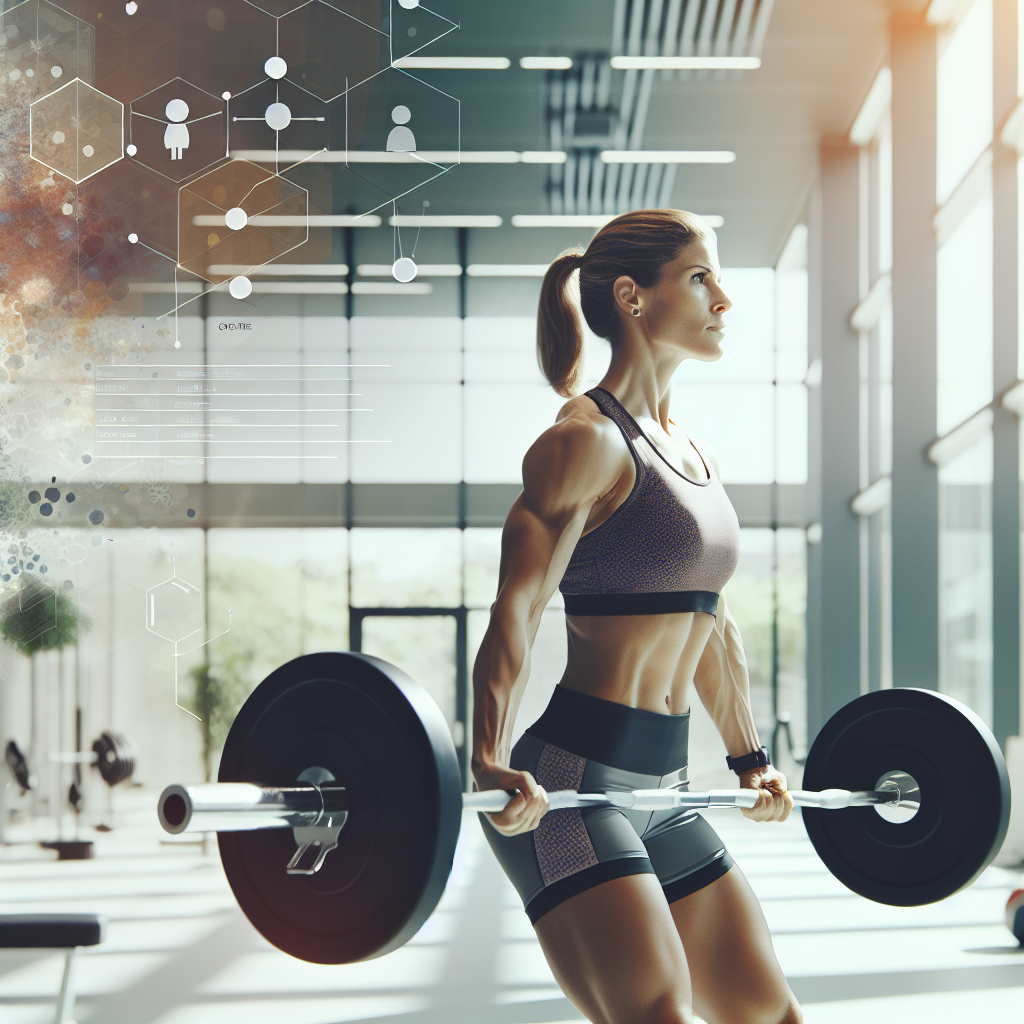
Unlocking Optimal Health: Top Exercise Insights for Women
For decades, women have followed fitness advice based on male-centered research. This approach disregards the unique biological differences between men and women. Fortunately, a revolution in women’s health research is changing how women should approach exercise and nutrition.
Leading this change is Dr. Stacy Sims, an exercise physiologist and nutrition scientist. Her groundbreaking work challenges outdated fitness practices and offers women science-backed strategies for better health. Let’s explore the key insights that are transforming women’s fitness approaches.
Why Women’s Bodies Need Different Exercise Approaches
Women aren’t simply smaller versions of men. Their bodies function differently on a fundamental level. These differences affect everything from muscle development to recovery needs. Understanding these distinctions is crucial for women seeking optimal fitness results.
Female physiology includes unique hormone fluctuations throughout the month. These hormonal changes directly impact energy levels, strength, and recovery capabilities. Therefore, women benefit from exercise routines that work with these natural cycles instead of against them.
Dr. Sims explains that applying male-focused training methods to women often leads to suboptimal results. Women who tailor their workouts to their physiology see better progress and experience fewer setbacks.
The Hormone Connection: How Your Cycle Affects Workouts
A woman’s menstrual cycle creates a constantly changing internal environment. These hormonal shifts affect metabolism, energy production, and recovery processes. Smart training acknowledges and adapts to these changes.
During the follicular phase (days 1-14), estrogen and progesterone levels are lower. Women often feel stronger and more energetic during this time. This makes it ideal for high-intensity workouts and strength training. You might find personal records are easier to achieve during this window.
In contrast, the luteal phase (days 15-28) brings higher progesterone levels. This hormone can decrease the body’s ability to build muscle and recover efficiently. During this phase, focusing on moderate activity and recovery-oriented exercises may yield better results.
Practical Application: Cycle-Syncing Your Workouts
To implement cycle-based training, consider tracking your menstrual cycle and adjusting your workout intensity accordingly. Here’s a simple framework:
- Follicular phase: Emphasize strength training, HIIT, and challenging workouts
- Ovulation: Take advantage of peak strength for testing personal records
- Luteal phase: Focus on moderate cardio, yoga, and active recovery
- Menstruation: Listen to your body, prioritize gentle movement and rest as needed
This approach honors your body’s natural rhythms while still maintaining consistency. The goal isn’t to skip workouts but to optimize them based on where you are in your cycle.
Strength Training: The Game-Changer for Women’s Health
Perhaps the most transformative finding in women’s fitness research involves strength training. Despite persistent myths about women getting “bulky,” resistance training offers crucial benefits for female bodies.
Dr. Sims emphasizes that strength training helps women build functional muscle, which supports metabolic health. Unlike men, women don’t typically build massive muscle due to hormonal differences. Instead, they develop lean, strong physiques that support daily activities.
Research shows that strength training provides women with unique benefits including:
- Improved bone density and reduced osteoporosis risk
- Better hormonal balance, especially during perimenopause and menopause
- Enhanced metabolic function and fat loss
- Increased insulin sensitivity and reduced diabetes risk
- Better mood regulation and mental health
These benefits extend far beyond aesthetics. For women in their 30s and beyond, regular strength training becomes increasingly important for maintaining health and function.
Building an Effective Strength Routine
To maximize the benefits of strength training, focus on compound movements that work multiple muscle groups simultaneously. These exercises deliver the most efficient results with limited time investment.
According to research published in the Journal of Strength and Conditioning Research, women benefit from lifting weights that provide significant resistance. Aim to train with weights that challenge you by the last few repetitions of each set.
An effective routine might include:
- 2-3 strength sessions weekly
- Focus on compound movements (squats, deadlifts, rows, presses)
- Progressive overload (gradually increasing weight or reps)
- Proper recovery between sessions
Remember that consistency matters more than intensity. A sustainable routine you can maintain yields better results than sporadic intense sessions.
Nutrition Strategies for Female Athletes
Just as exercise needs differ between men and women, nutritional requirements also vary significantly. Dr. Sims has found that women require specific nutritional approaches for optimal performance and recovery.
Protein intake deserves special attention for active women. While the general recommendation for sedentary adults is 0.8g of protein per kilogram of body weight, active women benefit from higher amounts. Dr. Sims suggests 1.6-2g per kilogram to support muscle maintenance and recovery.
The timing of protein consumption also matters. Women recover better when consuming 20-30g of protein within 30 minutes after exercise. This timing helps maximize muscle protein synthesis and recovery.
Fueling Around Your Cycle
Just as workouts can be optimized around your menstrual cycle, nutrition can follow similar patterns. Consider these phase-specific approaches:
- Follicular phase: Your body uses carbohydrates more efficiently during this time. Include quality carbs around workouts for optimal performance.
- Luteal phase: Metabolism increases slightly, potentially increasing calorie needs by 5-10%. Focus on adequate protein and healthy fats to support recovery.
- Menstruation: Iron-rich foods become especially important. Include leafy greens, legumes, and if you eat meat, lean red meat to replenish iron stores.
Hydration needs also fluctuate throughout your cycle. During the luteal phase, core temperature rises, potentially increasing your need for fluids. Adding electrolytes to water may help maintain proper hydration during this time.
Exercise Through Life Transitions: Pregnancy and Menopause
Women experience significant hormonal shifts during major life transitions. Exercise research now provides specific guidance for these periods.
Staying Active During Pregnancy
Contrary to outdated advice, moderate exercise during pregnancy benefits both mother and baby. Current research supports continued activity with some modifications for safety and comfort.
Benefits of prenatal exercise include:
- Reduced risk of gestational diabetes
- Better mood and reduced anxiety
- Easier labor and delivery for many women
- Faster postpartum recovery
Of course, always consult your healthcare provider before starting or continuing any exercise program during pregnancy. They can provide personalized guidance based on your specific health situation.
Exercise as Medicine for Menopause
During perimenopause and menopause, women experience dramatic hormonal shifts that affect metabolism, bone density, and body composition. Dr. Sims’s research shows that specific exercise approaches can help mitigate these changes.
Strength training becomes particularly crucial during this transition. Regular resistance exercise helps counteract the natural decline in muscle mass and bone density that accompanies estrogen reduction. This protection can prevent the metabolic slowdown many women experience.
High-intensity interval training (HIIT) also shows promise for menopausal women. Short bursts of intense activity followed by recovery periods may help maintain insulin sensitivity and metabolic health better than steady-state cardio alone.
Recovery: The Missing Piece in Women’s Fitness
Perhaps the most overlooked aspect of women’s fitness is proper recovery. Female bodies require specific recovery strategies to achieve consistent progress. Without adequate recovery, training benefits diminish and injury risk increases.
Sleep quality stands as the foundation of effective recovery. Research indicates women may need slightly more sleep than men, especially during certain phases of their menstrual cycle. Prioritizing 7-9 hours of quality sleep supports hormonal balance and tissue repair.
Active recovery also plays an important role. Light movement like walking, swimming, or gentle yoga on rest days promotes blood flow without adding stress to the body. This approach helps clear metabolic waste products while supporting recovery.
Signs You Need More Recovery
Learning to recognize when your body needs extra recovery can prevent overtraining syndrome. Watch for these warning signs:
- Persistent fatigue despite adequate sleep
- Declining performance despite consistent training
- Elevated resting heart rate
- Increased irritability or mood changes
- Disrupted sleep patterns
- Frequent illnesses or infections
When these symptoms appear, consider increasing recovery activities and temporarily reducing training intensity. This strategic approach prevents the extended breaks that complete burnout might require.
Creating Your Personalized Fitness Plan
With these research-backed insights, you can develop an exercise approach that honors your female physiology. Start by assessing your current fitness level, goals, and lifestyle constraints.
Consider tracking your menstrual cycle (if applicable) to identify patterns in energy, strength, and recovery capacity. Many apps now offer this functionality with exercise recommendations based on cycle phase.
Focus on consistency over perfection. Research consistently shows that sustainable, moderate approaches yield better long-term results than extreme programs that can’t be maintained.
Remember that your needs will evolve throughout your life. The fitness plan that works in your 20s may need adjustments in your 30s, 40s, and beyond. Regular reassessment helps ensure your approach continues serving your changing body.
The Future of Women’s Fitness Research
While significant progress has occurred in women’s exercise science, gaps remain. Researchers like Dr. Sims continue advocating for more female-specific studies to refine our understanding of women’s unique needs.
As this field expands, we can expect more nuanced recommendations that account for individual variations beyond gender alone. Factors like genetic differences, previous training history, and specific health conditions all influence optimal exercise approaches.
The most exciting development may be the growing recognition that women deserve fitness guidance based on female physiology rather than adapted male research. This shift promises better outcomes for women at all fitness levels.
Conclusion: Exercise Smarter, Not Harder
The revolution in women’s fitness research delivers a powerful message: women achieve better results when they work with their biology rather than against it. By understanding your unique physiology and adapting your approach accordingly, you can optimize both performance and health.
Remember that these insights don’t necessarily mean completely overhauling your fitness routine. Often, small adjustments to timing, intensity, and recovery make significant differences in results.
Have you noticed differences in your exercise performance throughout your menstrual cycle? Are you already implementing any female-specific training approaches? We’d love to hear about your experiences in the comments below!
References
- Women and Exercise: The Role of Gender in Workout Adaptations – Journal of Strength and Conditioning Research
- Women’s Health Research Initiative – Latest findings on female-specific exercise science
- Exercise During Pregnancy – American College of Obstetricians and Gynecologists
- Staying Fit at Midlife and Beyond – North American Menopause Society
- Dr. Stacy Sims Research Publications – Collection of scientific papers on women’s exercise physiology