


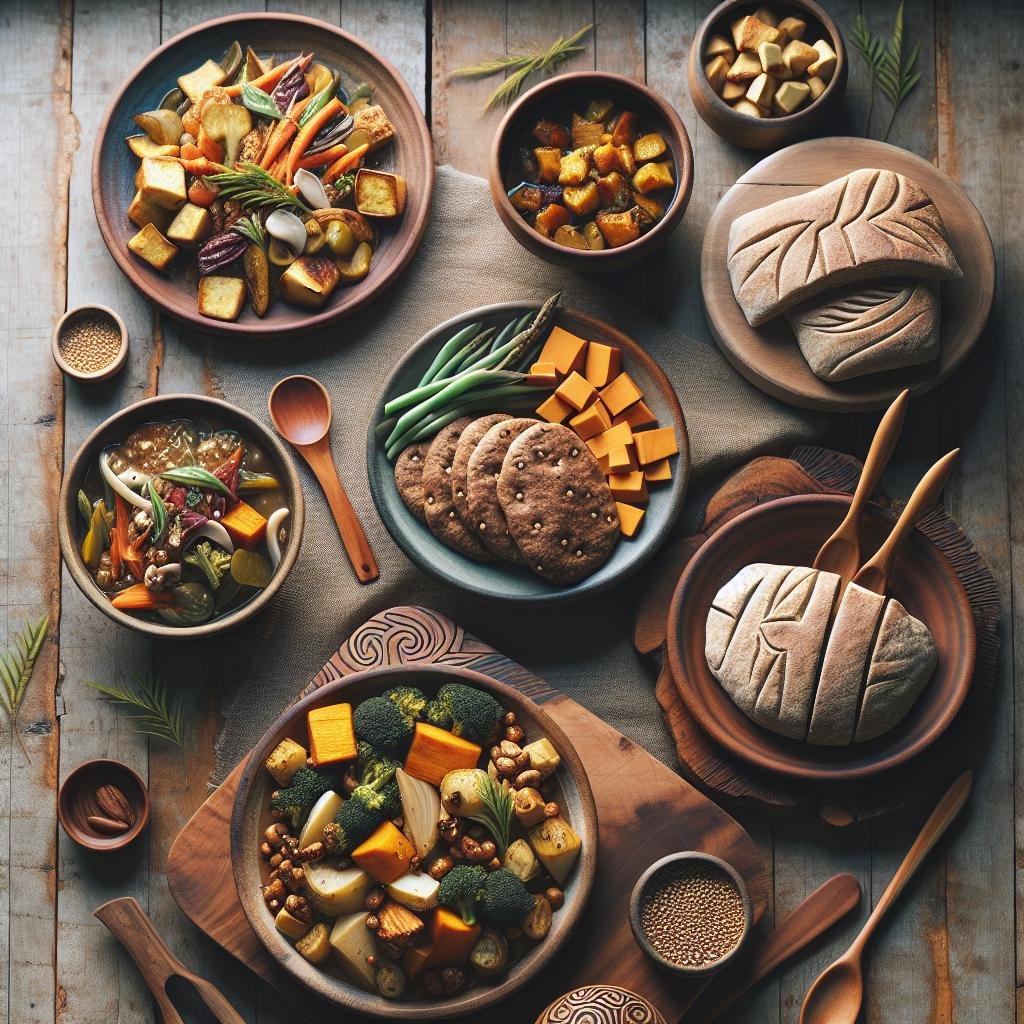
Māori Bread & Jackfruit: Essential Guide to NZ’s New Foods
New Zealand’s food landscape is evolving rapidly. The recent addition of traditional Māori bread (rewena) and tropical jackfruit to the country’s national nutrition database reflects changing dietary patterns and cultural influences. These additions aren’t just culinary curiosities – they represent significant shifts in how New Zealanders eat and identify with food.
The New Zealand Food Composition Database (NZFCD) recently updated its records with over 120 new food items. This update reveals fascinating insights about the nation’s changing relationship with food. From indigenous traditions to global influences, these new entries tell a story about nutrition, culture, and identity in modern New Zealand.
Why Food Databases Matter for Public Health
Food composition databases might seem like dry scientific tools, but they’re actually crucial for public health. These resources track the nutritional content of foods commonly consumed in a country, helping health professionals understand population nutrition patterns.
Dr. Sarah Gerritsen, a nutrition researcher at the University of Auckland, explains: “These databases help us identify nutritional gaps in the population and develop targeted interventions. They’re essential tools for fighting diet-related diseases.”
The NZFCD, maintained by Plant & Food Research and the Ministry of Health, serves as the nutritional backbone for:
- Public health planning and policy
- Food labeling regulations
- Dietary guidelines development
- Research on population nutrition
- Educational materials for consumers
When new foods are added, it signals their growing importance in the national diet. The latest update provides a fascinating window into New Zealand’s evolving food culture.
Māori Bread (Rewena): Reclaiming Indigenous Food Heritage
One of the most culturally significant additions to the database is rewena, a traditional Māori sourdough bread. This fermented potato bread has deep cultural roots but had been overlooked in previous nutritional assessments.
The Cultural Significance of Rewena
Rewena isn’t just food – it’s a connection to ancestry and tradition. The bread uses a potato-based starter culture called “bug” or “rewena bug” that is often passed down through generations. The fermentation process typically takes several days, making it a labor of love and cultural preservation.
Makareta Tawaroa, a Māori culinary expert, shares: “Making rewena connects us to our tūpuna (ancestors). The process can’t be rushed – it follows natural rhythms and teaches patience. Each family has their own variation, but the core technique remains the same.”
Nutritional Profile of Rewena
Beyond its cultural importance, rewena offers interesting nutritional benefits:
- The fermentation process increases nutrient bioavailability
- Contains beneficial probiotic bacteria
- Lower glycemic impact than many commercial breads
- Good source of resistant starch when cooled
The inclusion of rewena in the national database acknowledges both its cultural value and growing popularity among New Zealanders of all backgrounds. It represents a broader trend of indigenous food revitalization happening worldwide.
Jackfruit: The Versatile Giant Making Waves
At the opposite end of the spectrum from traditional Māori foods is jackfruit – a large tropical fruit native to South and Southeast Asia that has recently captured New Zealand’s culinary imagination.
Why Jackfruit is Trending
Jackfruit has gained popularity for several compelling reasons:
- Remarkable versatility – can be eaten ripe (sweet) or unripe (savory)
- Plant-based meat alternative when young
- Sustainability credentials – high yield per tree
- Distinctive texture that works well in many dishes
The unripe jackfruit’s fibrous texture makes it an excellent substitute for pulled pork or chicken in savory dishes. Meanwhile, the ripe fruit offers a sweet, tropical flavor somewhere between pineapple, banana, and mango.
Nutritional Benefits of Jackfruit
According to the new database entries, jackfruit provides impressive nutritional benefits:
- Rich in vitamin C, potassium, and dietary fiber
- Contains unique phytonutrients and antioxidants
- Low in calories compared to meat alternatives
- Good source of B vitamins, particularly B6
Nutritionist Emma Richards notes: “Jackfruit represents the perfect convergence of taste, sustainability, and nutrition. Its growing popularity in New Zealand isn’t surprising given the rise in flexitarian and plant-based eating patterns.”
Beyond Rewena and Jackfruit: Other Notable Additions
The database update included over 120 new foods, reflecting broader shifts in New Zealand’s food landscape. Some other interesting additions include:
Plant-Based Alternatives
The surge in plant-based eating is evident in the new database entries:
- Diverse plant milks (oat, almond, soy, coconut)
- Meat alternatives made from various protein sources
- Egg substitutes and vegan cheeses
- Fermented plant products like tempeh and natto
These additions reflect both growing environmental consciousness and increased dietary diversity in New Zealand society.
Pacific Island Foods
New Zealand’s deep connections with Pacific Island cultures are visible in foods like:
- Taro and cassava products
- Green banana preparations
- Traditional Samoan and Tongan specialties
- Pacific seafood preparations
These entries acknowledge the significant Pacific Island population in New Zealand and their culinary contributions to the national food identity.
Convenience and Ready-Made Foods
Modern lifestyle changes are reflected in the addition of:
- Meal replacement drinks and bars
- Pre-packaged smoothie bowls and breakfast pots
- Ready-to-heat international meals
- Functional beverages with added nutrients
These convenience foods reflect the time pressures facing many New Zealand households while highlighting growing nutritional awareness.
What These Changes Tell Us About New Zealand Society
The database updates offer fascinating insights into New Zealand’s evolving identity and values. Several key trends emerge from analyzing the new additions:
Cultural Revitalization and Recognition
The inclusion of traditional Māori foods like rewena represents more than just dietary changes. It signals growing recognition of indigenous food knowledge and practices. This trend aligns with broader movements for cultural revitalization and decolonization of food systems.
Dr. Jessica Miller, a food anthropologist, observes: “Adding indigenous foods to national databases is a form of cultural validation. It acknowledges that these traditional foods have nutritional merit worthy of scientific documentation.”
Globalization and Multicultural Influences
The presence of jackfruit and other international foods reveals New Zealand’s increasingly diverse population and global food connections. Asian, Middle Eastern, and Latin American ingredients appear throughout the new entries, reflecting changing demographics and culinary exploration.
This multicultural expansion creates a more dynamic and diverse food environment. Traditional British-influenced New Zealand cuisine now shares space with global flavors and techniques.
Health and Sustainability Consciousness
Many new additions reflect growing concerns about personal and planetary health:
- Plant-based alternatives with smaller environmental footprints
- Minimally processed whole foods
- Fermented products with potential gut health benefits
- Foods with reduced sugar, salt, and artificial additives
These trends suggest New Zealanders are increasingly making food choices based on health and environmental considerations, not just taste and convenience.
Practical Applications: Incorporating These Foods Into Your Diet
The addition of these foods to the national database presents opportunities for nutritional and culinary exploration. Here are practical ways to incorporate some of these newcomers into your diet:
Rewena: Connecting With Indigenous Tradition
While making authentic rewena requires specific techniques, you can begin exploring this tradition by:
- Attending community workshops often held by marae and cultural centers
- Supporting Māori food producers at farmers markets
- Learning about the cultural protocols surrounding traditional food preparation
- Experimenting with fermented bread-making at home
Remember that engaging with indigenous foods should be done respectfully, acknowledging their cultural origins and significance.
Jackfruit: Versatile Plant-Based Powerhouse
Jackfruit is surprisingly easy to incorporate into your cooking:
- For savory dishes: Use young jackfruit (typically canned in brine or water) in pulled “pork” sandwiches, tacos, or curries
- For sweet applications: Try ripe jackfruit in smoothies, desserts, or simply fresh
- Start with pre-packaged jackfruit products if handling the whole fruit seems intimidating
- Combine with bold spices and sauces – jackfruit absorbs flavors beautifully
A practical tip: When working with canned jackfruit for savory dishes, rinse well and squeeze out excess moisture before cooking for the best texture.
Looking Forward: The Future of New Zealand’s Food Landscape
The database updates offer clues about where New Zealand’s food culture might be heading. Several trends seem likely to continue:
- Further revival and modern adaptation of traditional Māori foods
- Increased fusion between indigenous ingredients and global techniques
- Growing emphasis on locally sourced, sustainable options
- Continued expansion of plant-based alternatives
- More personalized nutrition approaches based on individual needs
Food scientist Dr. Andrew Wilson predicts: “We’re likely to see more sophisticated nutrient databases in the future that account for variables like growing conditions, preparation methods, and even genetic differences in how individuals process nutrients.”
These developments could fundamentally change how New Zealanders relate to food, blending tradition with innovation to create a uniquely Kiwi food identity for the 21st century.
Conclusion: More Than Just Ingredients
The addition of rewena, jackfruit, and other diverse foods to New Zealand’s nutritional database reflects profound shifts in the country’s relationship with food. These aren’t simply new ingredients – they represent evolving cultural identities, environmental values, and health priorities.
Whether you’re a food enthusiast eager to explore new flavors, a health-conscious consumer seeking nutritional information, or someone interested in cultural preservation, these database updates offer something meaningful to consider. They invite all New Zealanders to reflect on what they eat, why they eat it, and how those choices connect to both past traditions and future aspirations.
What foods would you like to see added to New Zealand’s nutritional database in the future? And which of these new additions are you most excited to try? The story of New Zealand’s evolving food culture continues to be written – one meal at a time.
References
- New Zealand Food Composition Database – Official resource for nutritional information on foods in New Zealand
- Ministry of Health NZ – Eating and Activity Guidelines – Government health recommendations based on nutritional research
- Plant & Food Research – Scientific institute conducting research on food composition and nutritional properties
- Traditional Māori Foods Resource – Educational information about indigenous New Zealand cuisine
- Nutrition Society of New Zealand – Professional organization providing evidence-based nutritional information